Online Share Market App Benefits For Modern Retail Investors
Technology has made stock market participation more accessible to retail investors in India. Instead of depending on traditional methods to track investments or place orders, individuals can use a mobile application to view market prices, manage holdings, and monitor transactions. An online share market app brings these activities together, making it easier for investors to access their accounts and review investment information.
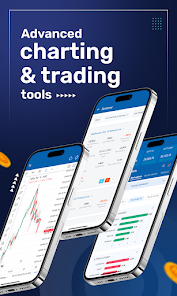
For people interested in Share Market Trading, choosing a suitable platform is an important part of getting started. A reliable Online Trading App should provide clear market information, convenient order placement, portfolio tracking, and transparent details about charges. These features help users manage their investments while understanding the risks involved in buying and selling securities.
However, an app alone cannot ensure successful investment outcomes. Investors must research companies, understand market movements, and make decisions according to their financial goals and risk tolerance. This article explains the main benefits of online share market apps and the features retail investors should consider before selecting a platform.
What Is an Online Share Market App?
An online share market app is a digital platform offered by a stockbroker that allows users to access stock market services through a smartphone or another compatible device. Depending on the broker and account permissions, users can buy and sell shares, view market indices, follow selected securities, and review their investment portfolios.
Most platforms provide access to trading services connected to recognised stock exchanges. Some also offer educational resources, company information, charts, and financial reports to support investment research.
How Does an Online Trading App Work?
To begin, an investor generally needs to open a Trading Account with a registered stockbroker and complete the required Know Your Customer (KYC) verification. A Demat Account is generally needed to hold shares electronically.
Once the accounts are active, users can access the app, add funds where required, search for securities, and place orders. The platform displays order status and transaction details, subject to the broker's systems and services.
After a trade is completed, investors can review the relevant records and monitor changes in their holdings. The precise features available depend on the broker and the type of account.
Key Benefits of an Online Share Market App
- Convenient Access to the Stock Market
One of the main benefits of a share market app is convenient account access. Investors can check market information, review their holdings, and place eligible orders without visiting a broker's physical office.
This can be useful for people who manage investments alongside work, education, or other responsibilities. They can access account information when needed, provided they have an internet connection and the platform is available.
Convenience should not replace careful research. Investors should understand an investment before placing an order rather than making decisions simply because trading is available at any time.
- Faster and More Convenient Order Placement
A well-designed app allows users to search for a security, select the required quantity, choose an order type, and submit an order through the broker's trading system.
Depending on the platform, users may have access to market orders, limit orders, and other supported order types. Clear order details help users check the security name, quantity, and price before confirming a transaction.
Order execution is not guaranteed at the displayed price. Market conditions, liquidity, order type, and exchange rules can affect the final result.
- Access to Market Information
Market information helps investors follow price movements and understand developments affecting the securities they own or are considering.
An Online Trading App may provide stock prices, market indices, trading volumes, price charts, company announcements, and other research information. Some platforms also offer financial results and historical data.
Investors should check whether prices are displayed in real time or with a delay. They should also compare information from reliable sources before making important decisions.
- Easy Portfolio Monitoring
Portfolio tracking allows investors to review their holdings in one place. Depending on the app, the portfolio dashboard may display quantities held, current valuations, average purchase prices, and unrealised gains or losses.
These details help users understand how their investments are changing over time. Transaction history and account statements can also help them review completed trades and related expenses.
Investors should distinguish between unrealised gains, which reflect changes in the value of investments still held, and realised gains or losses from completed transactions. Displayed portfolio values may change with market prices and may not include every applicable charge or tax.
- Watchlists and Price Alerts
Watchlists let users keep track of selected stocks without searching for them repeatedly. Price alerts can notify investors when a security reaches a chosen price or meets a supported condition.
These tools are useful for monitoring investments and following companies that may be relevant to future decisions. However, alerts do not predict future performance or guarantee profitable opportunities.
Investors should use notifications as a source of information rather than as a substitute for independent analysis.
How Retail Investors Can Manage Trading Costs
Trading costs are an important consideration when choosing a share market app. A platform with a low advertised brokerage fee may still involve other charges.
Understand the Complete Fee Structure
Before opening an account, review the following potential costs:
- Account-opening charges: A one-time fee, if applicable.
- Brokerage: Charges for executing eligible transactions.
- Demat Account maintenance: Annual or periodic fees, where applicable.
- Transaction-related charges: Applicable exchange and depository charges.
- Taxes and statutory levies: Charges imposed under current rules.
The exact amount depends on the broker, transaction type, order value, and applicable regulations. Check the official tariff schedule and compare estimated costs based on your expected trading activity.
Investors who place frequent orders should pay particular attention to cumulative expenses, as charges can affect their overall returns.
Security and Account Protection
A share market app provides access to personal information and financial transactions, so security should be a priority.
Look for secure login options, two-factor authentication where available, transaction alerts, and clear procedures for reporting suspicious activity. Download the app from an official source and verify the broker's registration through appropriate official channels.
Use a strong password and never share your password, PIN, or one-time password with anyone. Review transaction notifications and account statements regularly. If you notice an unfamiliar transaction, contact the broker through its verified support channels.
Choosing the Right App for Your Needs
Different investors have different requirements. Beginners may prefer a simple interface, educational resources, and accessible customer support. Experienced traders may place greater importance on advanced charts, order types, and market analysis tools.
Before selecting an app, compare its supported investment products, account-opening process, trading charges, portfolio reports, security features, and service quality.
Also consider whether the platform provides clear transaction records and timely support when orders, payments, or account verification do not work as expected.
Avoid selecting a platform based only on advertisements or promotional offers. Verify the services available and read the terms before opening an account.
Conclusion
An online share market app gives retail investors convenient access to market information, order placement, portfolio monitoring, and transaction records. For individuals interested in Share Market Trading, these features can make it easier to manage investments and review financial activity.
Choosing a suitable Online Trading App requires more than comparing interfaces. Investors should assess market data, security measures, portfolio tools, customer support, and all applicable charges before opening an account. Understanding how a Trading Account and Demat Account work together is also essential for buying, selling, and holding shares.
Ultimately, technology can simplify access to the market, but it cannot remove investment risk or guarantee profits. Research securities carefully, set realistic financial goals, and review your portfolio regularly. By choosing a platform that matches your needs and using its features responsibly, you can approach share market investing with better information and greater clarity.